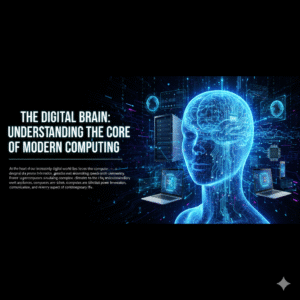
At the heart of our increasingly digital world lies the computer – a machine designed to process information at astonishing speeds and with unwavering accuracy. From intricate supercomputers simulating complex climates to the tiny microcontrollers governing our smart appliances, computers are the silent, tireless workers that power innovation, communication, and nearly every aspect of contemporary life.
The Anatomy of a Computer: More Than Just a Box
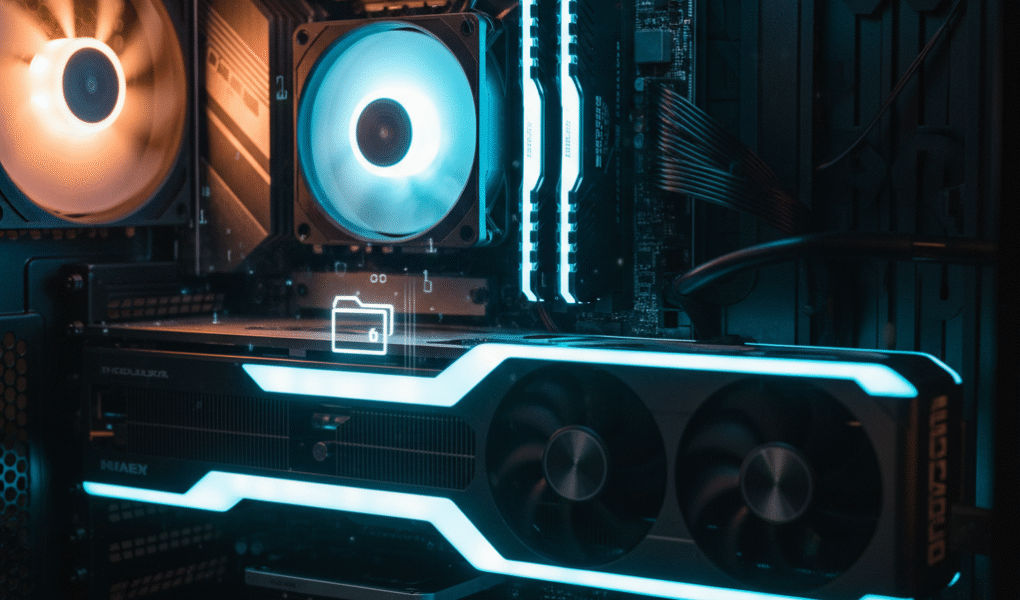
While the term “computer” often conjures images of a desktop tower or a sleek laptop, the fundamental principles governing all computers are remarkably similar. At its core, a computer consists of several key components working in concert:
- Central Processing Unit (CPU): Often called the “brain” of the computer, the CPU executes instructions, performs calculations, and manages the flow of information. Its speed is crucial for overall performance.
- Memory (RAM): Random Access Memory is the computer’s short-term workspace. It temporarily stores data and programs that the CPU is actively using, allowing for quick access and efficient multitasking.
- Storage (HDD/SSD): This is where data is permanently kept – your operating system, programs, documents, photos, and videos. Hard Disk Drives (HDDs) use spinning platters, while Solid State Drives (SSDs) use flash memory, offering much faster performance.
- Motherboard: The central nervous system, connecting all components and allowing them to communicate.
- Graphics Processing Unit (GPU): Increasingly important, especially for gaming, video editing, and AI tasks, the GPU specializes in rendering images and handling parallel processing.